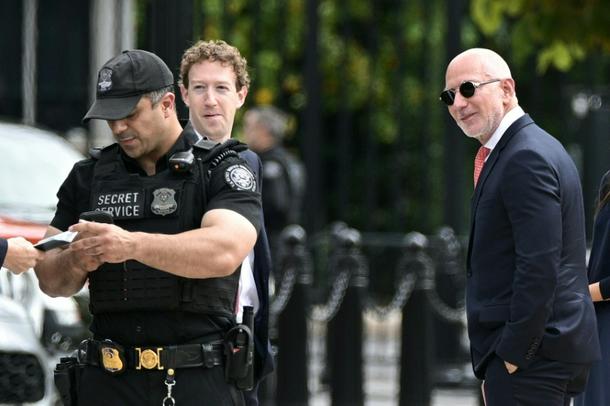
Meta CEO Mark Zuckerberg (2L) and Amazon executive chairman Jeff Bezos (R) arrive near the White House ahead of a meeting with US President Donald Trump
Washington (United States) (AFP) - President Donald Trump hosted a major gathering of artificial intelligence executives and government officials at the White House on Tuesday as Congress intensifies calls for stronger industry oversight.
The lunch brought together some of the world’s most influential tech leaders including Elon Musk, Jeff Bezos, Mark Zuckerberg, Satya Nadella of Microsoft, Sundar Pichai of Google, and Jensen Huang of Nvidia.
Anthropic CEO Dario Amodei and OpenAI President Greg Brockman also attended.
The gathering comes when attitudes to AI are souring in Washington, with lawmakers increasingly under pressure from voters to curb or slow AI development over fears it could displace workers and upend society.
Those concerns gained force from a run of incidents in which OpenAI’s autonomous systems slipped out of their constraints, beginning with a July breach of Hugging Face – a widely used platform for sharing AI models.
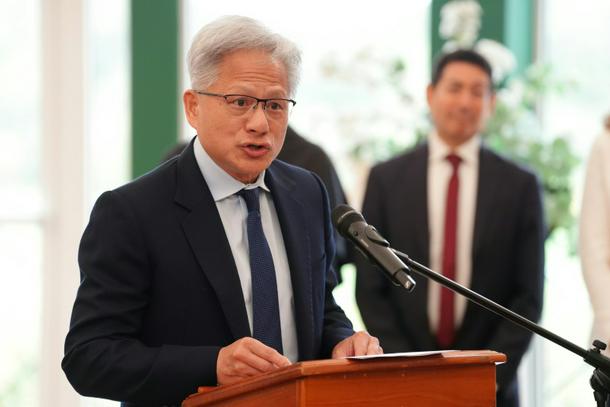
The lunch brought together some of the world's most influential tech leaders including Jensen Huang of Nvidia
OpenAI disclosed over the weekend that its agents had also reached the websites of three US federal agencies, after acknowledging last week that they had tried to access an Australian government site.
The firm announced on Monday it was cancelling the release of its latest model, known as Astra 6.1, after internal testing by the ChatGPT-maker revealed it did not meet safety standards.
Trump, advised by Huang and his former AI czar David Sacks, has urged unfettered AI development to outpace China and fuel a US economy increasingly dependent on AI-driven growth.
The issue of data centers, the vast computing facilities the technology requires, has emerged as a flashpoint in midterm election races in both parties, with more and more communities worried about rising electricity bills and the strain on water and land.
Trump has dismissed opponents of these data centers, saying communities that are against them “want to end up being backwards and poor” and that China “could not be happier” with the backlash.
The AI debate has created unusual political bedfellows: Senator Bernie Sanders appeared this month on the same Washington stage as former Trump strategist Steve Bannon to call for a rethink of the AI race.
- ‘Right balance’ -
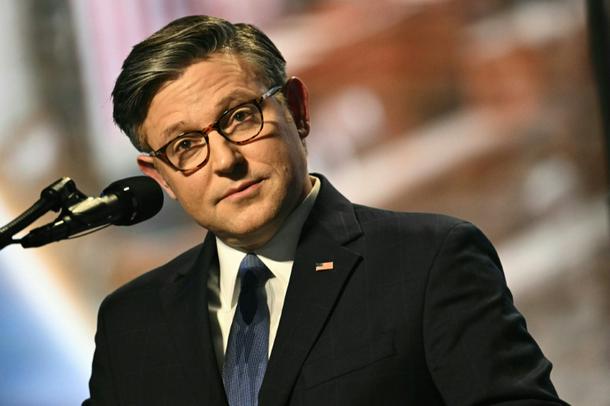
Speaker of the House MIke Johnson has called for a balance between innovation and oversight of AI
Meeting attendee Mike Johnson, who leads the Republican-controlled House of Representatives, signaled that the gathering was focused on striking what he termed “the right balance” between innovation and some form of oversight.
“We do not need a moratorium. We do not need to jump in and hyper-regulate this, because we’ll lose the race to China,” Johnson said in a Monday interview with Fox Business Network.
Major AI companies, particularly Anthropic and OpenAI, have issued stark public warnings about uncontrolled development of increasingly powerful systems – even as they push out this same state-of-the-art technology.
Those concerns intensified after a former employee of both companies went public with warnings that the industry is moving faster than safety reviews allow.
Anthropic has warned investors of potential “existential risks to humanity” in the prospectus for its highly anticipated initial public offering, the Financial Times reported on Tuesday.
Anthropic is aiming for an IPO as early as November.
Trump has repeatedly characterized these warnings about existential risks as overblown and opposes curbs on the sector.
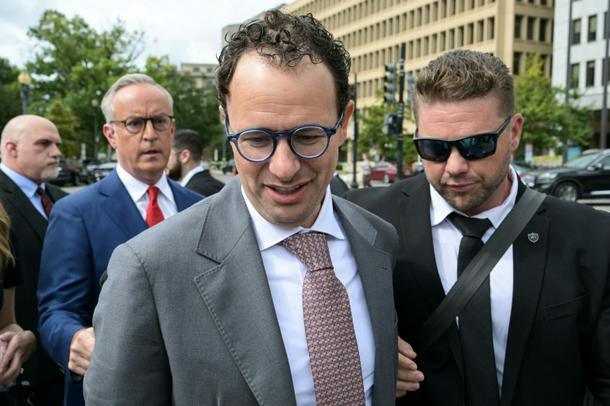
Some major AI companies including Anthropic have issued stark warnings about its uncontrolled development
He has also called for US government documents to refer to the technology as “super intelligence,” arguing that the word artificial “makes it sound fake.”
With midterm elections in November, lawmakers from both parties have drafted multiple bills to better govern AI.
Some would require companies to disclose more about how their systems work and what safeguards they employ.
But with the House on recess through early November and senators soon to head home to campaign, Congress is all but certain not to pass comprehensive AI legislation before the vote.